
Water treatment equipment
Water Treatment & Purification Systems
Water storage, pretreatment, membrane filtration and ozone mixing for bottled-water production. Select the treatment process to suit your raw water and required finished-water quality.
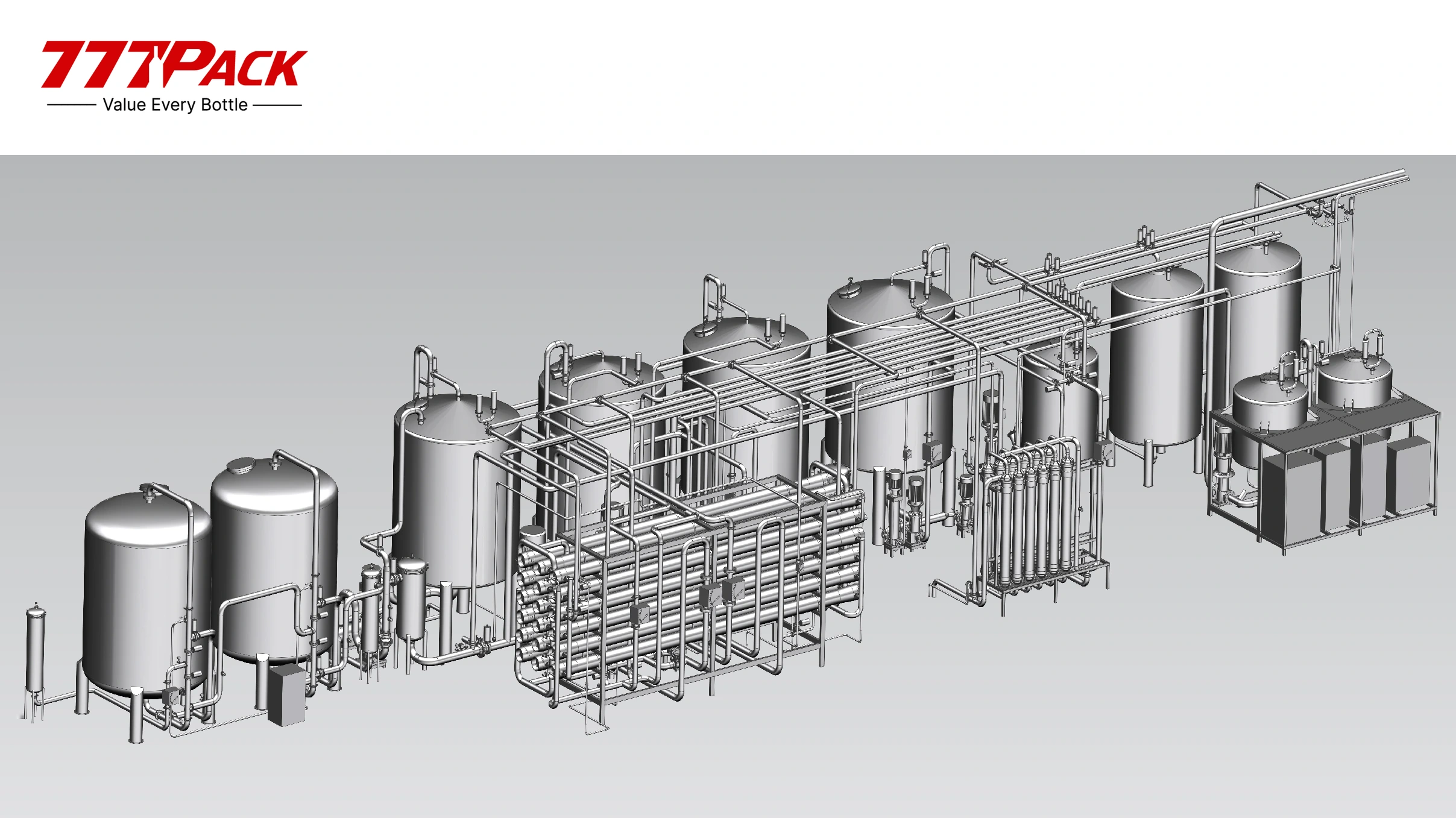
Line integration
Position in the Production Line
The current stage is highlighted. This example shows how the equipment connects within the selected line.
- Parallel preparation01AWater TreatmentFilter · Purify · DisinfectCURRENT01BBottle BlowingPreform to Bottle
- 02FillingRinse · Fill · Cap
- 03DryingRemove Surface Moisture
- 04CodingDate · Batch · Traceability
- 05LabelingSleeve · Hot Melt · Self-Adhesive
- 06PackingFilm · Carton · Tray
- 07PalletizingStack Finished Packs
Swipe or scroll to explore all stages →
Reference flow only. Final process and equipment scope depend on the product, container, output and project requirements. Each stage links to its equipment or equipment category.
Explore the Equipment Range
Seven equipment families for a treatment system configured around your water source and production needs.
01 / Storage
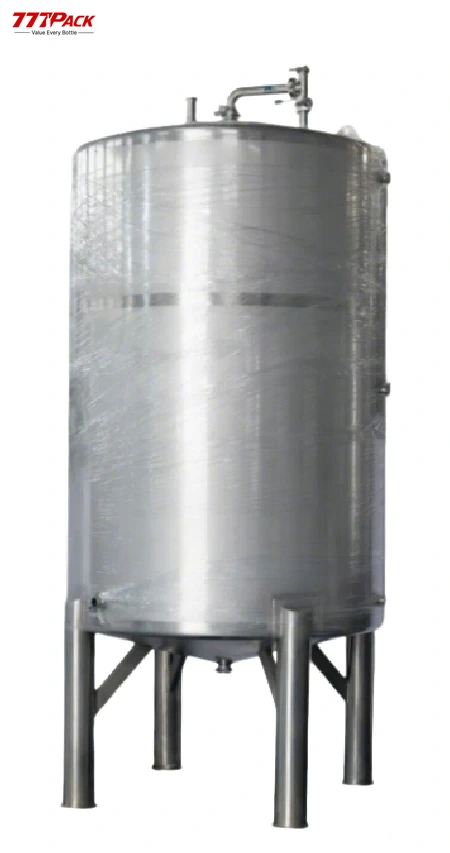
Water Storage Tanks
Water storage tanks provide a buffer between water-treatment stages and the filling process. Their position and working volume should match the available water supply, treatment flow and production schedule.
The tank design includes a top inlet, bottom outlet, rotating cleaning ball, 0.22 µm vent filter and level detection. These features support water transfer, internal cleaning and level monitoring. For a complete line, storage and transfer should be coordinated with the demand of the PET bottle water filling machine.
- Top inlet and bottom outlet
- 360° rotating cleaning ball
- 0.22 µm vent filter and liquid-level detection
Selection points: Confirm the working volume, tank position, inlet and outlet connections, and access for cleaning before finalizing the layout.
Discuss tank requirements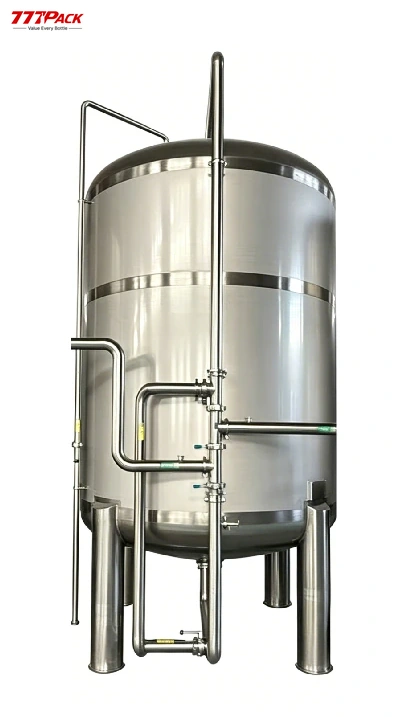
02 / Pretreatment
Multi-Media Filters
Media filtration prepares raw water for downstream treatment by reducing suspended impurities. Quartz sand, manganese sand and activated carbon are available media options; the appropriate combination depends on the water analysis and the purpose of each filtration stage.
Backwashing removes accumulated material from the filter bed and forms part of routine maintenance. Media filtration should be designed together with the downstream cartridge filters and membrane equipment, rather than treated as a complete purification process on its own.
- Media choices for the selected treatment process
- Backwashing for filter maintenance
Selection points: Confirm the raw-water condition, required flow, selected media and the water and drainage arrangements for backwashing.
Discuss pretreatment requirements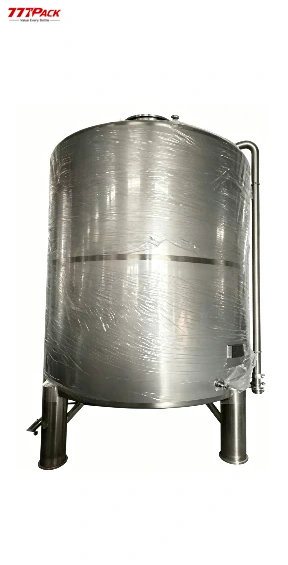
03 / Pretreatment
Water Softeners
Water softening is considered when hardness could contribute to scaling in downstream equipment. Conventional ion-exchange softening reduces calcium and magnesium hardness; whether this step is required depends on the water analysis and the selected treatment process.
A softener is one possible pretreatment option for a membrane filtration system. The resin, vessel arrangement, regeneration method and operating settings are selected during project design. Share your raw-water report for a pre-sale treatment review before confirming the configuration.
Selection points: Confirm the feed-water hardness, required flow, operating hours and regeneration requirements during selection.
Discuss softening requirements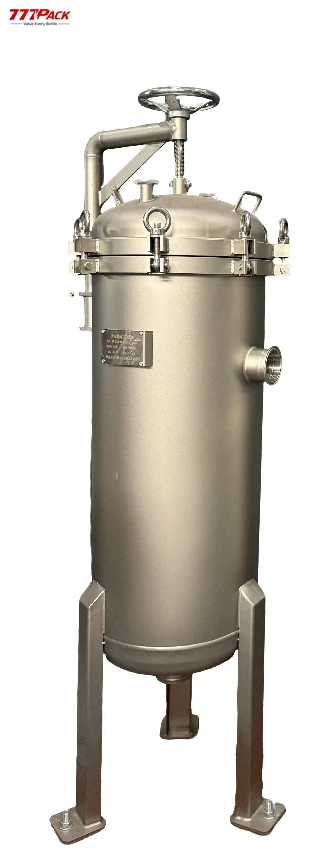
04 / Filtration
Precision Cartridge Filters
Precision cartridge filters provide a replaceable filtration stage before membranes or other downstream equipment. They capture particles according to the selected element and help reduce the particulate load reaching the next treatment stage.
The stainless-steel vessel can be configured with PP meltblown, wire/sintered, pleated or titanium elements. The filtration rating and element arrangement should suit the feed water and the requirements of the downstream UF, NF or RO system. Selection also needs to account for inspection and cartridge replacement.
- Stainless-steel filter vessel
- PP meltblown, wire/sintered or pleated elements
- Titanium cartridge option
Selection points: Confirm the required filtration rating, water flow, operating conditions and access for element replacement.
Discuss cartridge selection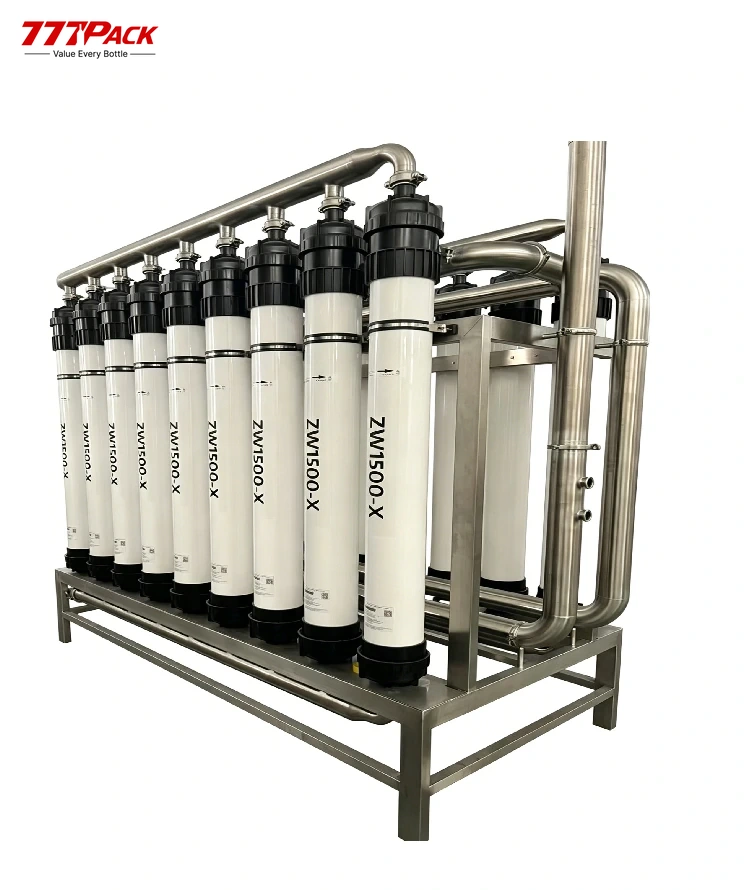
05 / Ultrafiltration
Hollow-Fiber Ultrafiltration
Hollow-fiber ultrafiltration uses membrane modules to separate suspended particles and larger molecules. It can serve as the main filtration stage in a suitable treatment process, or as pretreatment before reverse osmosis or nanofiltration.
The described system includes forward flushing, backwashing, air scouring and online disinfection. Cleaning sequences should match the feed-water conditions and membrane requirements. UF does not provide the same dissolved-salt reduction as RO; review the RO vs UF treatment guide when defining the finished-water specification.
- Automatic forward flushing and backwashing
- Air scouring
- Online disinfection
Selection points: Confirm the source-water analysis, required treated-water flow and the flushing, backwashing and cleaning arrangements.
Discuss UF requirements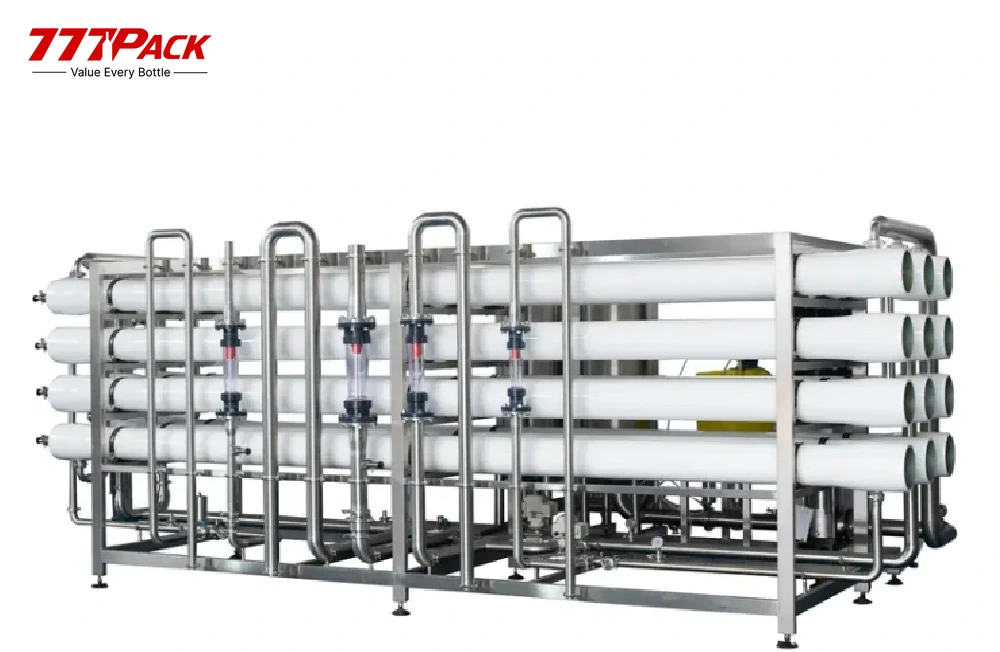
06 / Membrane treatment
Membrane Filtration Systems
Membrane filtration systems can be configured with rolled ultrafiltration, nanofiltration or reverse osmosis for mineral, spring and purified-water projects. The choice starts with the raw-water analysis and the required finished-water quality.
UF primarily separates particles and larger constituents; NF provides selective separation of dissolved components; RO is used for more extensive dissolved-salt reduction. Pretreatment, membrane selection, cleaning and downstream storage need to work together. Integrate the selected process with the water demand and operating schedule of the complete bottled water production line.
Selection points: Confirm the required water quality and flow, available feed-water supply, membrane recovery where applicable, utilities and wastewater handling.
Discuss membrane selection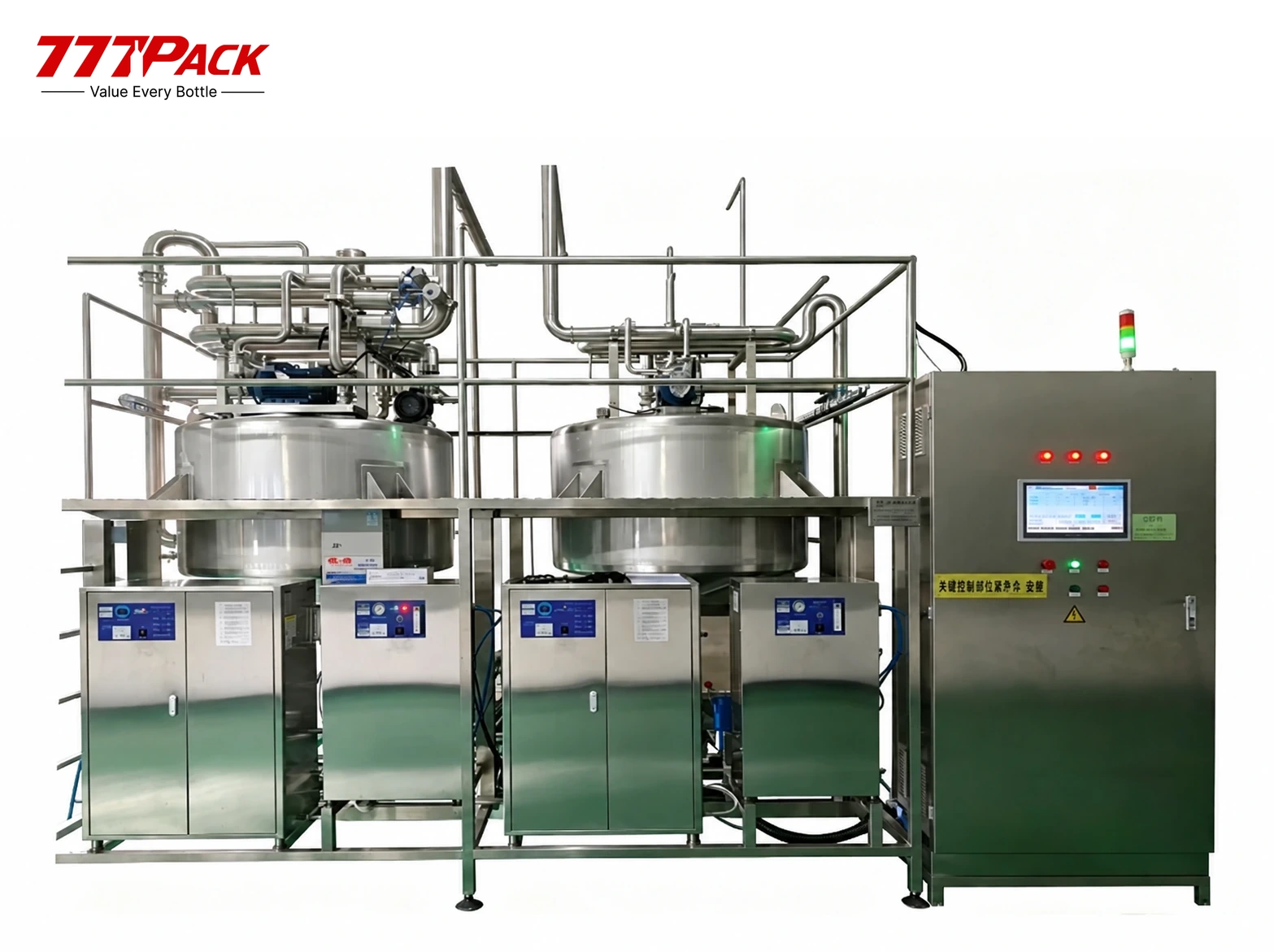
07 / Ozone mixing
Ozone Mixing Systems
Ozone mixing systems introduce ozone into water and promote gas–liquid contact as part of the selected disinfection process. The described arrangement combines a gas–liquid mixing pump with pipeline mixing in a compact configuration.
Multi-unit and single-tank arrangements are available for different installation requirements. Concentration control should be coordinated with water flow and the treatment process. Dosing, contact conditions and monitoring need to be defined during process design; the guide to bromate risk during ozone disinfection explains the water-quality checks involved.
- Gas-liquid mixing pump and pipeline mixing
- Multi-unit and single-tank configurations
- Ozone concentration control
Selection points: Confirm the water analysis, required flow, installation space, dosing controls and monitoring requirements.
Discuss ozone mixingStart with Your Water Source
Share three project details for a pre-sale engineering review, so the treatment equipment can be selected for your application.
Raw-Water Report
Water source and available water-analysis results.
Required Output
Your treatment flow and bottled-water production needs.
Finished-Water Quality
The water type and required quality for your product.
Plan Your Water-Treatment System
Tell us about your raw water, production target and finished-water requirements.